
Print


07 01 2026 09:47
News Code : 179926578
View Count : 1028
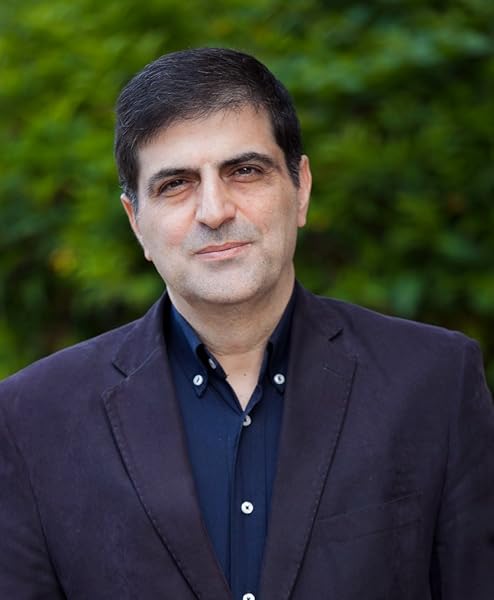
Dr. Ali Salami, Editor-in-Chief of Research in Contemporary World Literature, explained the journal’s stringent standards and its 11% acceptance rate, and highlighted its key role in connecting Iranian literature to the global scholarly community while confronting emerging challenges related to academic integrity.
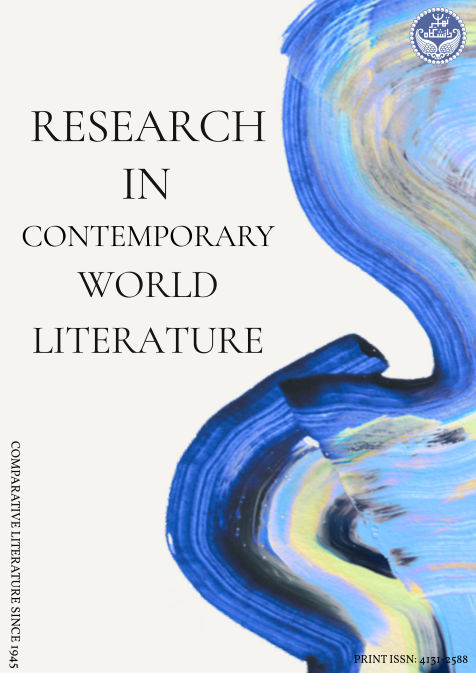
Research in Contemporary World Literature, which began its activity in 1994, has established a distinctive position in Iran’s academic landscape through a clear philosophy and set of objectives. Dr. Ali Salami, a faculty member of the Faculty of Foreign Languages and Literatures and the journal’s Editor-in-Chief, stated that the primary aim is a specialized focus on modern and contemporary Iranian and world literature, with particular emphasis on literary works and movements after 1945. According to him, the journal adopts an interdisciplinary and comparative approach, prioritizing articles that examine literature through theorization, comparative analysis, or within the complex context of political, cultural, and aesthetic transformations.
Referring to the journal’s international standing, Dr. Salami added:
Through publishing in both Persian and English, employing a double-blind peer-review system, and being indexed in reputable international databases such as Scopus and ISC, the journal seeks to meet global standards and play an active role in the international arena of literary research.
“This journal has filled an important gap in Iran’s academic space and, by adhering to international publishing standards, has created a bridge for interaction between Iranian researchers and the global academic community.”
In response to a question about the criteria for selecting articles, the Editor-in-Chief described a multi-stage and rigorous quality-control process. He emphasized that only original research articles containing innovative studies and new analyses are accepted. Dr. Salami noted that, under the double-blind peer review process, the identities of authors and reviewers are concealed from one another to ensure impartial evaluation based solely on scholarly merit. He also stated that using the plagiarism-detection software “Samim Noor” is mandatory to confirm originality. He pointed out that the journal’s acceptance rate is only 11%, which objectively reflects intense competition and the journal’s high quality standards.
In another part of the interview, Dr. Salami addressed the most common weaknesses in submitted manuscripts. In the “research method” section, he referred to a lack of clarity in explaining how the analysis is conducted and to merely introducing theories without methodological execution. He believes many authors choose a method that does not fit the research question; and in comparative studies, they often show serious weakness in justifying the unit of comparison and explaining the rationale for selecting two works from different cultures. He added that failing to cite reputable articles that have used the same method is another factor that undermines the methodological credibility of research.
Dr. Salami described the journal’s greatest achievement as institutionalizing a specialized field and establishing a clear knowledge boundary for post-1945 world literature. At the same time, he acknowledged key challenges ahead, including ongoing competition with international journals to attract top-tier research submissions, as well as financial and administrative pressures involved in managing the complex process of bilingual publication. Regarding future plans, he said:
Content development through special issues on emerging literary schools and on intersections between literature and fields such as environmental studies or digital studies is among the journal’s upcoming initiatives. Deepening international collaborations and recruiting new editorial board members from leading universities worldwide are also on the journal’s agenda.
Finally, Dr. Salami addressed the topic of artificial intelligence and described the journal’s position as very strict. He stated that authors are required to submit a Turnitin report that includes both a similarity (plagiarism) report and an AI-usage report. Specialist reviewers are also required to manually verify sources to identify fabricated references, so that the journal’s scholarly credibility is not compromised.
To introduce influential work, he named the journal’s three most-viewed articles as follows:
https://ffll.ut.ac.ir/en/article/179926578